
Introduction
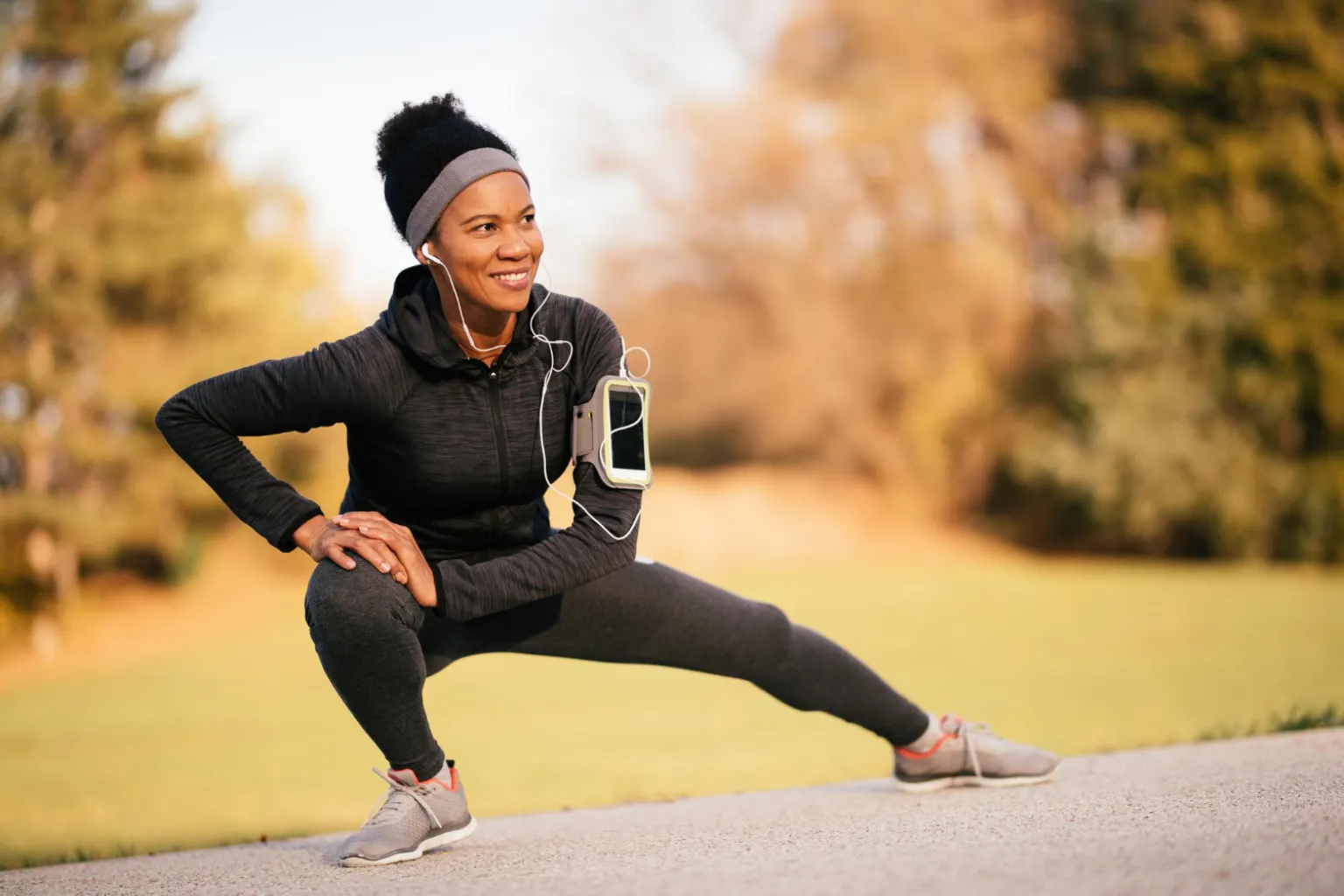
Managing diabetes often feels overwhelming, especially for Nigerian moms juggling work, children, household duties, and family responsibilities. Between cooking meals, attending school runs, and balancing a career or business, finding time to exercise can be difficult.
Yet, exercise is one of the most effective tools for lowering blood sugar and improving overall health. The good news is, you don’t need hours at the gym. With the right approach, just 20 minutes a day can make a big difference.
Why Exercise Matters for Blood Sugar
When you exercise, your muscles use glucose (sugar) for energy. This helps reduce the amount of sugar in your blood. Over time, regular physical activity makes your body more sensitive to insulin, which means your body can manage glucose more effectively.
For people living with diabetes, this can help keep blood sugar stable and reduce complications.
In Nigeria, where diets are often rich in starchy foods like rice, yams, and garri, blood sugar spikes are common. Pairing a balanced diet with short but consistent workouts is a practical way to take control of your health.
20-Minute Workouts You Can Do at Home
You don’t need fancy equipment or a gym membership. Here are three simple routines you can do right in your living room. Aim for at least four days a week, and always listen to your body.
1. Cardio Boost
Cardio helps your heart pump faster and lowers blood sugar quickly.
Routine:
-
Start with 5 5-minute warm-up
-
March or jog in place for 1 minute
-
Do 20 jumping jacks
-
Squat and stand up 15 times
-
Step side-to-side for 1 minute
-
5 minutes cool down
-
Repeat the cycle twice
2. Strength and Balance Routine
Strength training helps your muscles absorb glucose more efficiently.
Routine:
-
15 wall push-ups
-
20 squats or sit-to-stands from a chair
-
15 side leg lifts on each side
-
Hold a standing balance pose for 20 seconds, each leg
-
Repeat this routine twice, resting in between if needed
3. Dance Workout
Nigerian moms love good music, so why not turn up some Afrobeat or gospel and dance for 20 minutes? Dancing raises your heart rate, improves your mood, and keeps your blood sugar under control. It doesn’t need to be structured—just move, sweat, and enjoy yourself.
Tips for Staying Consistent
-
Schedule workouts around your daily routine (e.g., after school runs or before evening cooking).
-
Wear comfortable clothing and drink water before and after exercising.
-
Start small — even 10 minutes counts. Increase gradually.
-
Pair exercise with healthy meals like vegetables, beans, fish, and moderate portions of food.
FAQs on Exercise and Blood Sugar
What type of exercise lowers blood sugar fastest?
Aerobic exercises such as brisk walking, jogging, dancing, or cycling tend to lower blood sugar the fastest. Even a 10 to 15-minute brisk walk after meals can help bring your sugar down.
Is it safe to exercise if I have diabetes?
Yes, it is generally safe and recommended. However, check your blood sugar levels before starting, especially if you are on insulin or medication that lowers blood sugar. Always keep a small snack handy, such as a banana or glucose tablet, in case your sugar drops too low during exercise.
If you feel dizzy, overly tired, or unwell, stop and rest. It’s also a good idea to speak with your doctor before beginning a new exercise routine.
Conclusion
Exercise is not about perfection but about consistency. As a busy Nigerian mom, you may not have hours to spare, but dedicating just 20 minutes a day to movement can help lower your blood sugar, boost your energy, and improve your quality of life.
Start small, make it fun, and remember that every step you take brings you closer to better health.