
Introduction
Waist trainers have become increasingly popular in the weight-loss and body-shaping world. From celebrities promoting them on social media to fitness influencers claiming they help sculpt an hourglass figure, many people are curious about whether waist trainers actually help with weight loss.
In Nigeria and many other countries, waist trainers are often marketed as a quick solution to flatten the stomach, shrink the waistline, and accelerate fat loss. Some people wear them during workouts, while others use them throughout the day in hopes of achieving a slimmer waist.
But before investing in one, it’s important to understand how waist trainers actually work, what they can and cannot do, and whether they are a safe and effective tool for weight loss.
What Is a Waist Trainer?
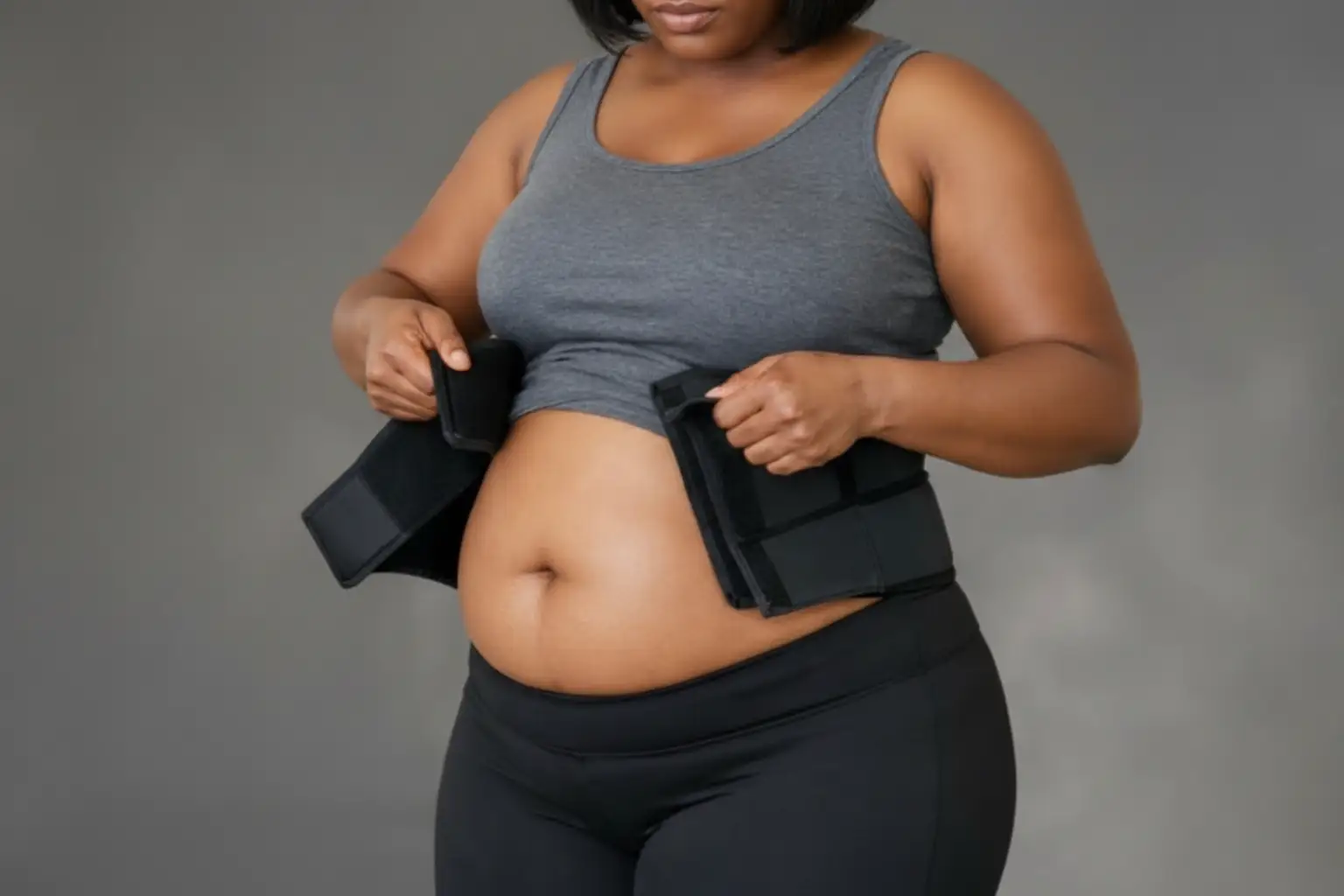
A waist trainer is a tight compression garment designed to shape and temporarily reduce the size of the waist when worn. It is usually made from thick elastic materials, latex, or fabric with steel boning that helps create a firm structure around the abdomen.
Waist trainers are similar to corsets but are typically designed to be worn during daily activities or exercise.
People often use waist trainers to:
- Create a temporary slimmer waistline
- Improve posture
- Increase sweating around the midsection
- Enhance body shape under clothing
However, these effects are mostly temporary and cosmetic rather than permanent.
Do Waist Trainers Help With Weight Loss?
One of the biggest claims about waist trainers is that they help people lose belly fat. In reality, waist trainers do not directly cause fat loss.
Weight loss occurs when the body burns more calories than it consumes, creating what is known as a calorie deficit. Waist trainers do not increase metabolism or burn fat on their own.
Why Some People Think Waist Trainers Work
There are a few reasons people believe waist trainers help with weight loss:
Temporary waist reduction:
When worn, waist trainers compress the stomach and waist area, making the waist appear smaller immediately.
Reduced appetite:
Because the garment compresses the abdomen, some people feel full faster and may eat smaller portions.
Increased sweating:
Waist trainers can make you sweat more around your stomach, but this mainly reflects water loss rather than fat loss.
Once the waist trainer is removed and hydration is restored, the body returns to normal.
Can Waist Trainers Reduce Belly Fat?
Waist trainers cannot target or burn belly fat. Fat loss happens throughout the body and is influenced by overall calorie balance, physical activity, and diet.
No garment, cream, or device can selectively remove fat from one specific area of the body.
If someone loses weight while using a waist trainer, it is usually because they have also changed their diet or exercise habits.
Potential Benefits of Waist Trainers
Although waist trainers do not directly cause fat loss, some people use them for certain benefits.
Temporary Waist Shaping
Waist trainers can create the appearance of a smaller waist while worn. This is why many people use them under clothing for special events or photos.
Posture Support
The rigid structure of some waist trainers can encourage better posture by keeping the back straighter.
Increased Body Awareness
Some people become more mindful of their posture or eating habits while wearing a waist trainer because of the tight compression.
Possible Risks of Waist Trainers
Despite their popularity, waist trainers also have potential drawbacks.
Breathing Discomfort
Tight compression around the abdomen may restrict deep breathing, especially during exercise.
Digestive Issues
Excessive compression can put pressure on internal organs and may cause:
- Acid reflux
- Bloating
- Indigestion
Muscle Weakness
Wearing waist trainers for long periods may reduce the natural engagement of core muscles over time.
Skin Irritation
Prolonged use can lead to sweating, chafing, or skin irritation.
For these reasons, waist trainers should not be relied upon as a primary method for weight loss.
Waist Trainers During Exercise: Are They Effective?
Some people wear waist trainers during workouts, believing they will burn more fat.
However, research shows that waist trainers do not increase calorie burn during exercise. In fact, tight compression may restrict movement and breathing, potentially reducing workout performance.
For effective fat loss, focusing on regular physical activity and strength training is far more beneficial.
What Actually Works for Waist Fat Loss?
Instead of relying on waist trainers, sustainable fat loss comes from consistent lifestyle habits such as:
Balanced Nutrition
Eating a diet rich in:
- Lean proteins
- Vegetables
- Whole grains
- Healthy fats
Managing overall calorie intake supports fat loss.
Regular Physical Activity
Combining cardio exercise with strength training helps increase calorie burn and maintain muscle mass.
Core Strengthening Exercises
Exercises that strengthen the core muscles can help improve posture and abdominal definition, including:
- Planks
- Bicycle crunches
- Leg raises
Consistency
Long-term habits matter far more than quick fixes.
Should You Use a Waist Trainer?
Waist trainers may be used occasionally for temporary shaping or posture support, but they should not be seen as a weight-loss solution.
If someone chooses to wear a waist trainer, it is best to:
- Avoid wearing it too tightly
- Limit how long it is worn each day
- Avoid intense workouts while wearing it
- Focus primarily on healthy lifestyle habits
Conclusion
Waist trainers can create a temporary slimmer appearance by compressing the waist, but they do not burn fat or cause lasting weight loss. Their effects are mostly cosmetic and disappear once the garment is removed.
For individuals looking to reduce belly fat and improve body composition, the most effective approach remains a combination of balanced nutrition, regular physical activity, and consistent healthy habits.
Rather than relying on quick fixes like waist trainers, focusing on sustainable lifestyle changes will yield more reliable, long-term results.





1 thought on “Waist Trainers for Weight Loss: What Nigerians Should Know”
Pingback: How to Lose Belly Fat Naturally: What Actually Works (2026 Guide) - SF9 Fitness