GMO foods, weight gain, genetically modified organisms, obesity, healthy eating, nutrition facts, processed foods, TDEE, calorie intake, diet myths
In recent years, concerns about health, weight gain, and the quality of our food have led many to question the safety and nutritional impact of genetically modified foods (GMOs). A common worry is whether GMO foods contribute to weight gain or even obesity, but here’s the truth: GMO foods do not directly cause weight gain. Whether a food is GMO or not, what truly matters for your weight is your total calorie intake, your physical activity, and how nutrient-dense your meals are.
Weight gain occurs when you consume more calories than your body burns, regardless of whether those calories come from GMO corn, organic brown rice, or sugary snacks. To better understand your daily calorie needs, check out our free TDEE (Total Daily Energy Expenditure) calculator. This helps you estimate how many calories your body needs per day based on your age, weight, height, and activity level.
What are GMO foods?
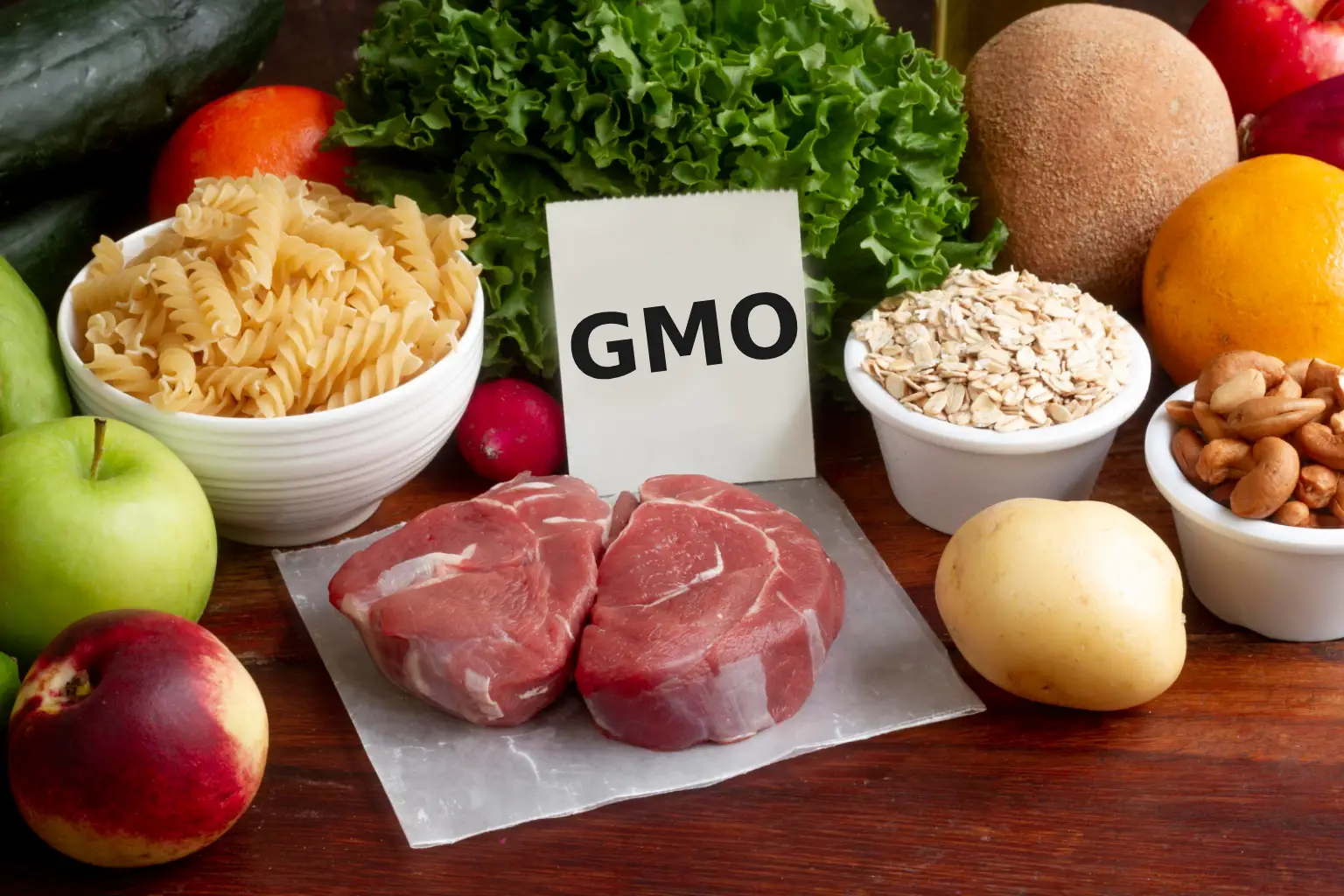
GMO stands for Genetically Modified Organism; it refers to crops that have been scientifically altered to express certain traits like resistance to pests, improved shelf life, or better yield. Common GMO crops include corn, soybeans, canola, and cotton. GMOs are widely used in agriculture and food production across the world. However, being genetically modified doesn’t automatically make a food unhealthy or fattening.Why are GMO foods linked to weight gain?
The link between GMO foods and weight gain is not about the genetic modification itself, but rather about how GMO crops are used in ultra-processed foods. For example:- GMO corn is often used to produce high-fructose corn syrup (HFCS), a common ingredient in sugary drinks and snacks.
- GMO soy is commonly turned into vegetable oil used in fried foods.
Fat loss on whole foods vs GMO processed foods
When it comes to weight loss, the most effective and sustainable approach is a diet based on whole foods such as fresh fruits and vegetables, whole grains, lean proteins (chicken, fish, legumes), healthy fats (avocado, nuts, olive oil), which are naturally low in calories and high in fiber. These foods keep you satiated, help regulate your blood sugar, and provide the nutrients your body needs to burn fat efficiently. In contrast, highly processed foods (many of which contain GMO ingredients) are often high in refined sugars and fats, low in fiber and protein, easy to overeat, designed for long shelf life, and not for nutritional value. This highlights the real issue, not GMOs themselves, but diet quality and calorie excess.What Research Says:
Scientific studies consistently show that GMO foods are nutritionally equivalent to non-GMO foods. There is no credible evidence that GMOs alter metabolism or lead to weight gain on their own. Obesity risk is linked to dietary patterns, not the genetic status of foods.So, do GMO foods make you gain weight? No, not directly.
Weight gain is about calorie balance, diet quality, and lifestyle habits. Focusing on whole, minimally processed foods regardless of GMO status is what supports healthy weight loss. If you’re trying to lose weight, shift the focus from “Is this GMO?” to “Is this nutritious, filling, and minimally processed?”General Tips for weight loss:
- Choose whole foods over packaged, highly processed snacks
- Watch for added sugars and oils, especially in GMO-based products
- Don’t fear GMOs, but be cautious of what form they come in (e.g., soda vs corn on the cob)
- Focus on portion control and balanced meals
- Stay active
- Track your calorie intake (again, with our TDEE calculator)