
Introduction
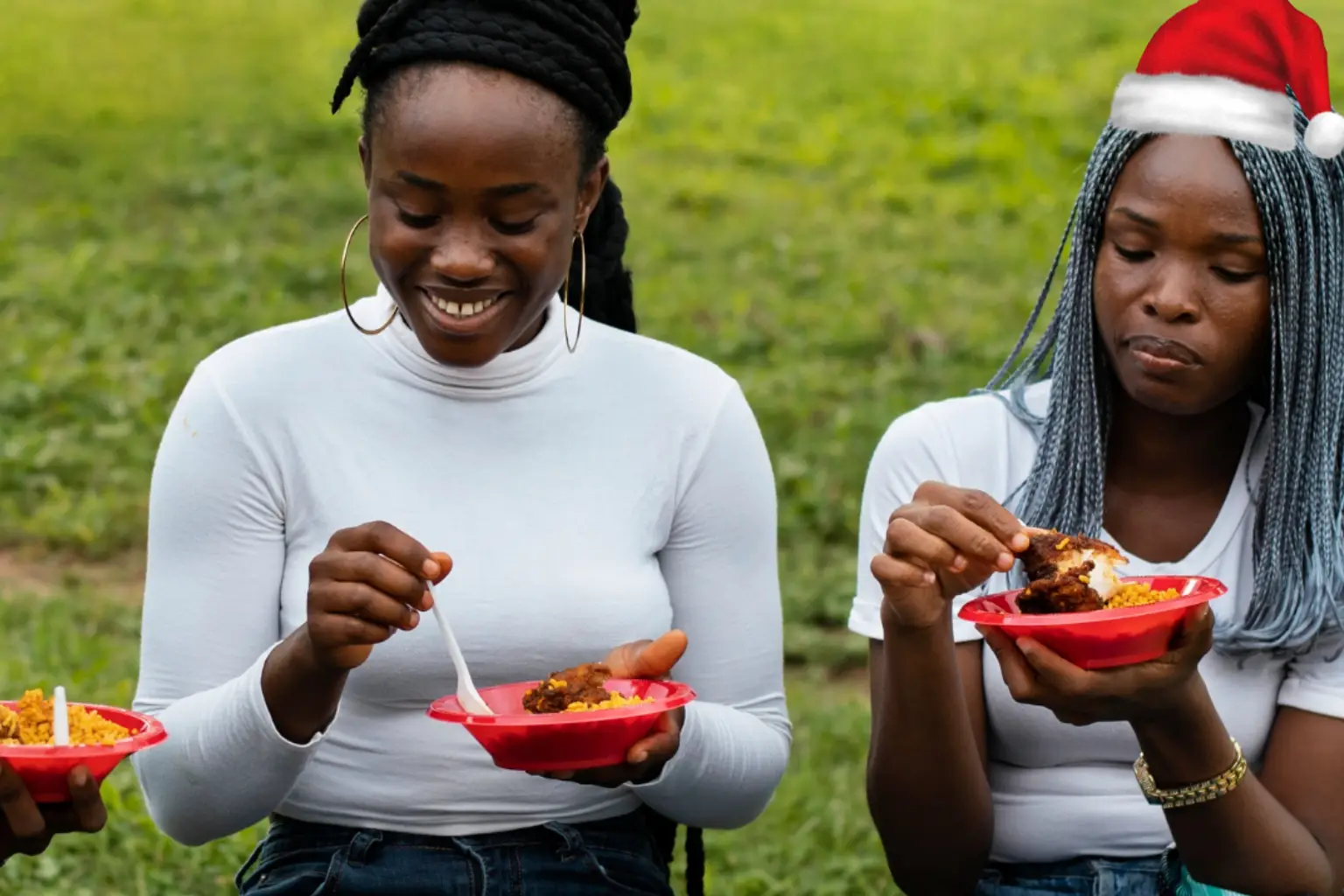
Christmas in Nigeria is a time of joy, family, celebration, and, of course, delicious food. From smoky jollof rice to grilled chicken, peppered meats, fried plantains, and colourful salads, the festive spread is an integral part of our culture.
However, if you’re trying to lose weight or maintain your fitness progress, the season can feel overwhelming.
The good news?
You don’t have to avoid jollof rice or skip Christmas meals to stay on track. With a few smart swaps, simple portion rules, and better drink choices, you can enjoy every bite while keeping your calories in check.
In this article, we’ll explore how to balance enjoyment and health — no guilt, no restriction, no starting over in January. Let’s go.
Why Holiday Meals Sabotage Weight-Loss Progress
Most people don’t gain weight during Christmas because of one plate of jollof rice. Weight gain usually comes from mindless snacking, oversized portions, and high-calorie extras that add up over several days.
Common Christmas Eating Mistakes
-
Serving rice cooked with too much oil and seasoning cubes
-
Eating two or more plates simply because “it’s Christmas.”
-
Pairing meals with sugary drinks or alcohol
-
Adding plantain, salad, and snacks to the same plate
-
Eating late at night after long hours of cooking
The truth is, a little planning eliminates most of these traps.
Smart Swaps for a Healthier Christmas Jollof Rice
You don’t need a brand-new recipe — just small adjustments that reduce calories without sacrificing flavour.
1. Adjust Your Rice Choice & Portion Size
-
Use brown rice, parboiled rice, or a 50–50 mix with white rice for higher fibre
-
Measure cooked rice to 1 cup or ¼ plate for weight-loss portions
-
Add shredded vegetables (carrots, green beans, bell peppers) to increase volume without increasing calories
2. Oil Swaps That Make a Huge Difference
Traditional Nigerian jollof can contain 6–10 tablespoons of oil per pot.
Try instead:
-
2–3 tablespoons of oil
-
Using broth instead of oil to fry the pepper base
-
Allowing the tomato base to reduce properly rather than adding more oil
3. Tomato Base Tweaks for Lower Calories
-
Use more fresh tomatoes and tatashe (red bell pepper)
-
Reduce tomato paste by half
-
Cook the base longer to develop natural sweetness, reducing the need for extra oil
4. Boost the Vegetables
-
Add mixed vegetables directly into the rice
-
Serve jollof with a large side salad
-
Include stir-fried or steamed vegetables on your plate
5. Choose Lean Protein Options
Opt for:
-
Grilled, baked, or air-fried chicken (skinless breast or thigh)
-
Grilled fish
-
Lean beef or goat meat (trimmed)
-
Turkey (skin removed)
Avoid deep-fried proteins — they add unnecessary fat and calories.
How to Build a Guilt-Free Christmas Plate
Use this simple visual guide for a balanced, weight-friendly festive meal.
Plate Breakdown
-
¼ plate carbs: Jollof rice (1 cup cooked or fist-size)
-
¼ plate protein: Grilled chicken, turkey, fish, lean beef, or goat (palm-size)
-
½ plate vegetables: Salad, steamed veggies, veggie stir-fry, or light coleslaw
-
Optional sauce: 1–2 tablespoons of stew if needed
This structure helps:
-
Control blood sugar
-
Reduce cravings
-
Keep calories in check — without removing jollof from your table
Healthy Festive Side Swaps & Drink Choices
Smart Side Options
-
Swap fried plantain for air-fried or oven-baked versions
-
Replace creamy coleslaw with vinegar-based or light yogurt dressing
-
Replace heavy snacks (meat pies, chin-chin) with fruits, lean protein, or nuts
Drinks That Support Your Fitness Goals
Choose:
-
Zero-sugar drinks (zero Coke)
-
Zobo sweetened naturally with date powder, stevia, or monk fruit
-
Fresh fruit-infused water
Avoid:
-
Soda
-
Sweet cocktails
-
Energy drinks
These can add 200–400 calories without making you feel full.
Practical Hosting Tips for a Healthier Nigerian Christmas
-
Plate-first rule: Serve food directly on plates, not from the pot
-
One-plate strategy: Decide your portion before eating and avoid going back
-
Serve vegetables first: This naturally reduces overeating
-
Healthy drink stations: Infused water, zobo, lemon slices — simple but effective
Christmas Plate Portion Plans (1500, 1800 & 2000 Calories)
Portion Guide Framework
-
½ plate vegetables (salad or stir-fried veg)
-
¼ plate protein (grilled chicken, turkey, fish, lean beef)
-
¼ plate carbs (jollof rice, boiled yams, or plantain)
-
Optional: 1–2 tbsp stew or sauce
1500 kcal Plan
-
Jollof rice: 1 cup cooked
-
Protein: 100–120g
-
Vegetables: Half plate
-
Drinks: Water or low-calorie drinks
1800 kcal Plan
-
Jollof rice: 1–1½ cups cooked
-
Protein: 120–150g
-
Vegetables: Half plate or more
-
Drinks: Infused water or zero-sugar drink
2000 kcal Plan
-
Jollof rice: 1¼–1½ cups cooked
-
Protein: 150–180g
-
Vegetables: Half plate
-
Drinks: Low-calorie drinks or fruit-infused water
Conclusion: Enjoy Christmas Without Losing Your Progress
Healthy eating during Christmas isn’t about deprivation — it’s about intention.
When you:
-
Reduce oil
-
Choose lean protein
-
Fill half your plate with vegetables
-
Keep drinks low-calorie
Your festive meals can fit perfectly into your goals.
Remember:
One plate of jollof won’t derail your progress.
Consistent, mindful choices will keep you feeling good long after the celebrations are over.





1 thought on “Healthy Nigerian Jollof This Christmas: Portion & Swap Guide”
Pingback: How to Lose Weight During Religious Fasting in Nigeria (Without Starving) - SF9 Fitness