
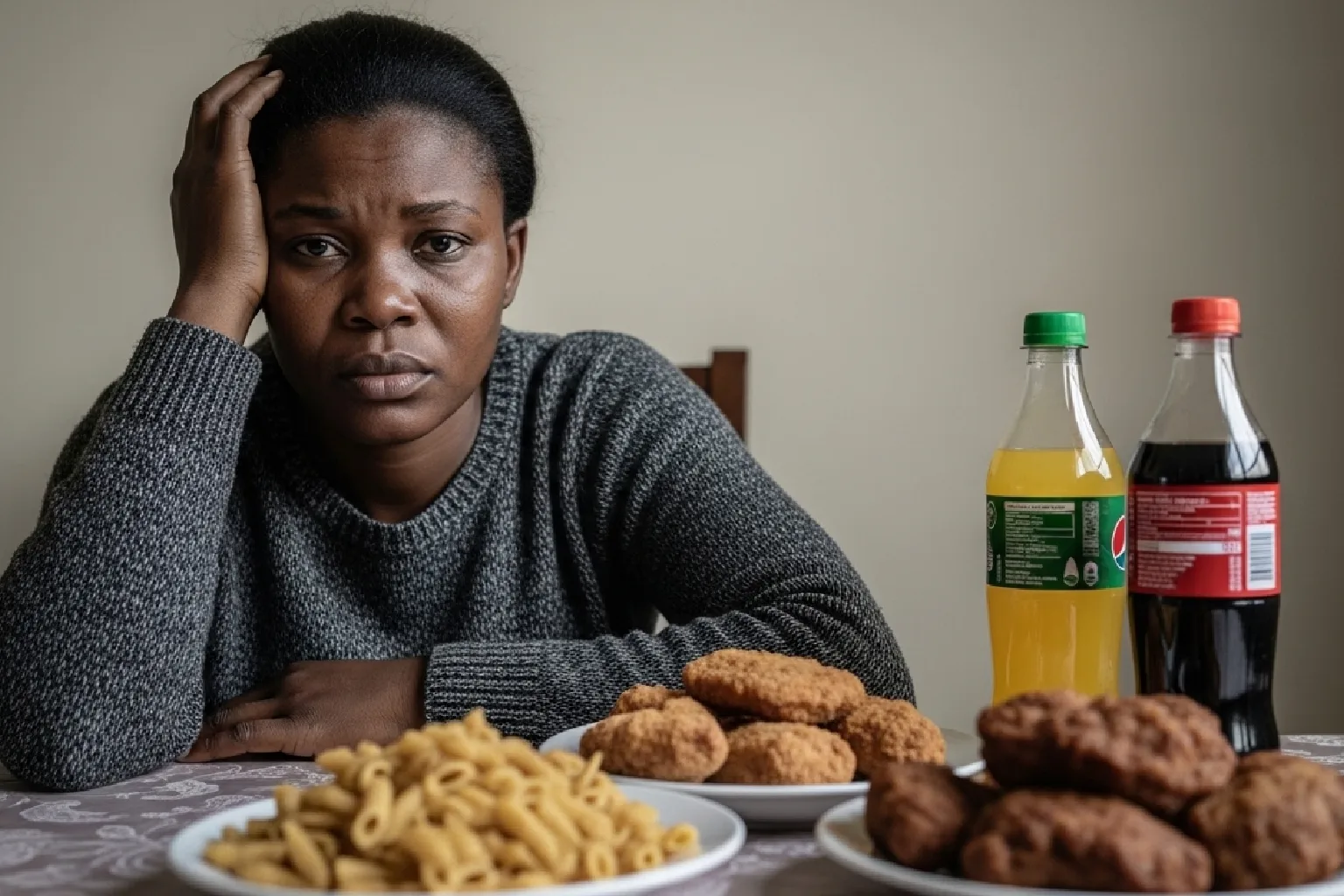
Nigeria is experiencing a major shift in its health landscape, one that is not always visible but deeply impactful. Across homes, workplaces, and communities, more people are being diagnosed with conditions like hypertension and diabetes, often without warning signs until complications arise.
As a dietitian, I have observed a common thread connecting many of these cases: our daily food choices and eating patterns. Interestingly, this is not simply about eating “too much” or gaining weight. Many individuals who appear healthy outwardly are quietly at risk due to the quality, structure, and consistency of their diets.
This article explores how the modern Nigerian diet is contributing to this growing health challenge and, more importantly, how simple, practical changes can help prevent and even reverse the trend.
What Is the Real “Silent Pandemic” in Nigeria?
When we talk about pandemics, many people think of infectious diseases. But Nigeria is currently facing a silent pandemic driven by lifestyle and diet.
- Hypertension (high blood pressure)
- Type 2 Diabetes
- Other lifestyle-related diseases
According to the World Health Organization (WHO), non-communicable diseases account for a growing percentage of deaths globally, and Nigeria is not left out.
Key Statistics
- 1 in 3 adults may have high blood pressure (many undiagnosed)
- Diabetes cases are steadily increasing
- Younger people are now being affected
This is no longer a “rich man’s disease.” It is a household problem.
How the Modern Nigerian Diet Has Changed
Today’s Nigerian diet is very different from what previous generations consumed.
Before:
- Whole foods (yams, beans, vegetables)
- Home-cooked meals
- Less sugar and oil
- More physical activity
Now:
- Refined carbohydrates everywhere
- Daily sugary drinks
- Oil-heavy cooking
- Ultra-processed foods
Typical Daily Diet
- Breakfast: Bread + tea
- Lunch: Noodles or rice
- Dinner: Swallow + oily soup
- Snacks: Biscuits + soda
This pattern is quietly damaging metabolic health.
Key Eating Patterns Driving the Problem
- Consistent overeating (large portions)
- Late-night heavy meals
- Low protein intake
- Sedentary lifestyle
Foods Contributing to Hypertension and Diabetes
- Sugary drinks (soft drinks, sweetened juices)
- Excess garri + sugar
- Deep-fried foods (akara, puff-puff, fried meats)
- Ultra-processed snacks (biscuits, instant noodles)
These foods spike blood sugar, increase fat storage, and raise blood pressure over time.
Healthy Nigerian Foods That Protect Your Health
- Vegetables: ugu, okra, bitterleaf, carrots, cucumbers
- Beans: high in fiber and protein
- Pepper soup: light and nutrient-rich
- Fruits: orange, banana, apple, watermelon, pineapple
- Unprocessed carbs: yams, plantain, and ofada rice (in moderation)
How to Eat Healthy on a Budget in Nigeria
Affordable Protein Sources
- Beans
- Eggs
- Groundnuts
- Local fish (panla, titus)
Smart Food Swaps
- White bread → Whole grain or smaller portions
- Sugary drinks → Water or unsweetened zobo
- Fried foods → Boiled, grilled, or steamed
Portion Control Tips
- Reduce excessive swallow portions
- Balance meals: carbs + protein + vegetables
- Avoid all-carb meals
Common Healthy Eating Myths in Nigeria
- Healthy food is expensive (false)
- Fruits can be eaten without limits (false)
- Skipping meals helps weight loss (false)
Healthy eating is about balance, not restriction.
FAQs
What foods cause high blood pressure in Nigeria?
- Excess salt (stock cubes, processed foods)
- Fried foods
- Sugary drinks
- Processed foods
Can Nigerian food be healthy?
Yes. When properly prepared and portioned, Nigerian meals can support excellent health.
How do I prevent diabetes naturally?
- Eat balanced meals
- Reduce sugar intake
- Stay physically active
- Maintain a healthy routine
Conclusion
The rising rates of hypertension and diabetes in Nigeria are largely influenced by everyday food choices, movement, and lifestyle. Healthy eating is not about perfection or expensive foods—it is about awareness, balance, and consistency.
Small, intentional changes in your daily eating habits can lead to significant long-term benefits. Start where you are, with what you have, and build from there.
Because in the end, this is not just about food—it is about your future.





1 thought on “How Nigerian Diet Is Causing Hypertension & Diabetes”
Our food choices can make or mar us
Thanks for sharing coach